July 21, 2026
Unexpected vehicle failures can bring commercial transportation, construction projects, agricultural operations, and other demanding industries to an immediate halt. When large vehicles or specialized equipment become disabled, moving them safely requires far more than a standard tow truck. Specialized equipment, experienced operators, and careful planning all play essential roles in protecting valuable assets while restoring normal operations as quickly as possible. That is where heavy duty towing becomes an essential service.
Many people only think about towing after an emergency occurs, yet understanding how these services work before they are needed can make stressful situations much easier to manage. Knowing what to expect, how professionals approach different recovery scenarios, and why specialized expertise matters helps vehicle owners and fleet managers make informed decisions during challenging circumstances.
An important reminder is that breakdowns often happen much closer to home than many people realize. In fact, according to Agero Inc., about 80% of vehicle breakdowns occur within a short distance from home. Even familiar routes can quickly become unexpected recovery situations, making access to professional towing services valuable for drivers and businesses alike.
Understanding Specialized Recovery Solutions
Not every disabled vehicle presents the same challenges. Large commercial trucks, buses, motorhomes, construction equipment, and other oversized vehicles require specialized handling because of their size, weight, and unique operating systems. Professional recovery teams evaluate every situation before beginning the recovery process to determine the safest and most effective approach.
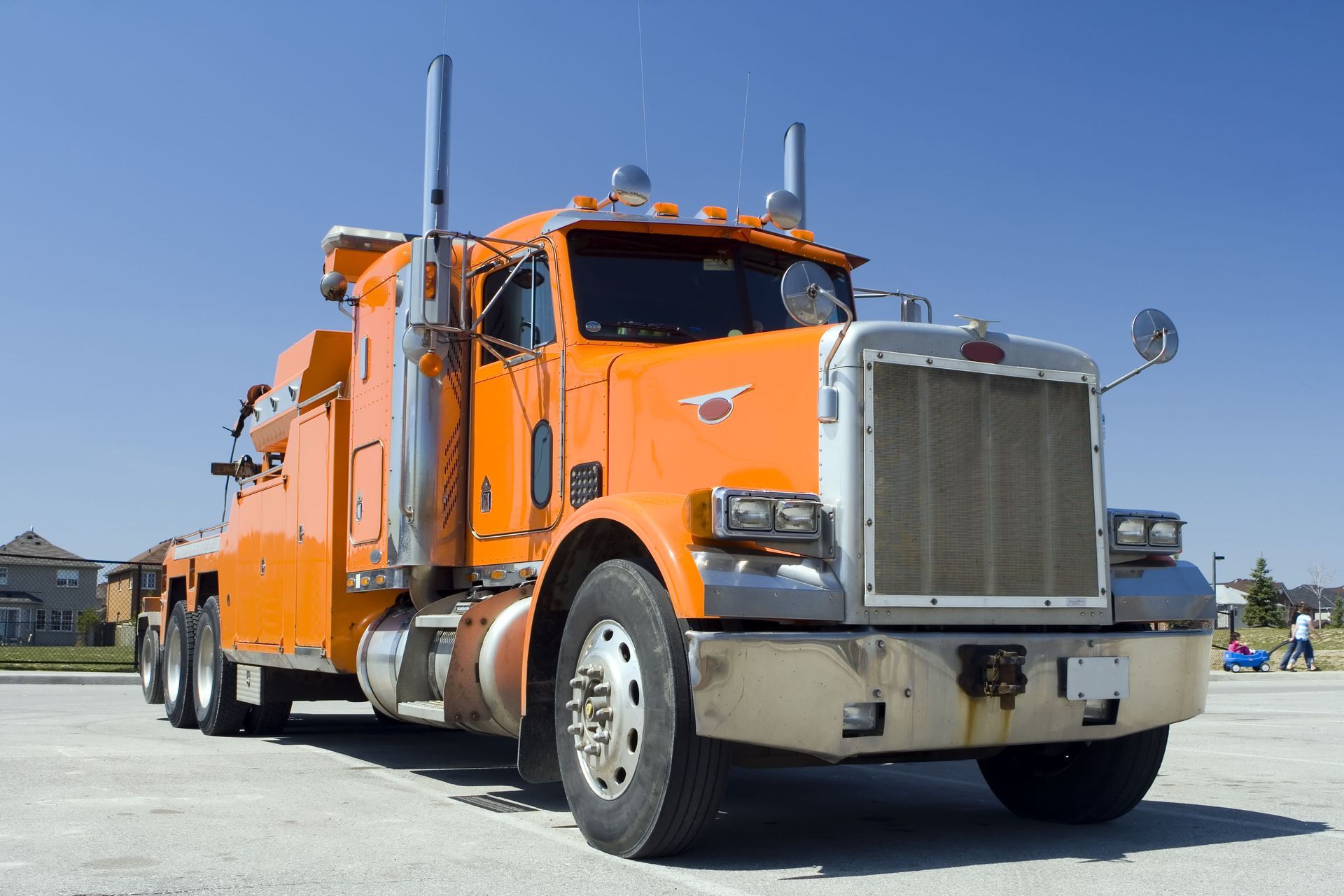
The equipment used for heavy duty towing is specifically engineered to manage substantial loads while maintaining stability throughout transportation. Powerful tow trucks, advanced lifting systems, secure attachment methods, and specialized recovery tools allow operators to safely relocate disabled vehicles without causing unnecessary damage.
Professional operators also understand how different vehicle designs affect recovery procedures. Axle configurations, suspension systems, cargo distribution, and drivetrain components all influence the safest method for transporting a disabled vehicle. Careful planning helps minimize additional wear while ensuring every recovery follows established safety practices.
Recognizing Situations That Require Professional Assistance
Large vehicle recoveries involve much more than mechanical failures. Accidents, rollovers, off-road recoveries, weather-related incidents, tire failures, and equipment malfunctions can all require specialized response techniques. Every situation presents unique challenges that demand experienced evaluation before recovery begins.
Professional providers of heavy duty towing are trained to assess surrounding conditions before moving a vehicle. Traffic patterns, road conditions, terrain, cargo considerations, and potential hazards all influence the recovery strategy. This thoughtful approach protects not only the disabled vehicle but also nearby motorists, pedestrians, and emergency personnel.
Commercial fleets especially benefit from rapid response because delays can disrupt delivery schedules, project timelines, and customer commitments. Efficient recovery services help reduce downtime while allowing businesses to return vehicles to service as quickly as circumstances permit. Even when repairs cannot be completed immediately, safely transporting equipment to an appropriate repair facility is often the most practical solution.
Appreciating the Importance of Specialized Equipment
The success of any recovery operation depends heavily on using equipment designed for the specific demands of oversized vehicles. Modern recovery fleets include advanced towing vehicles capable of handling a wide variety of commercial transportation needs while maintaining stability throughout the process.
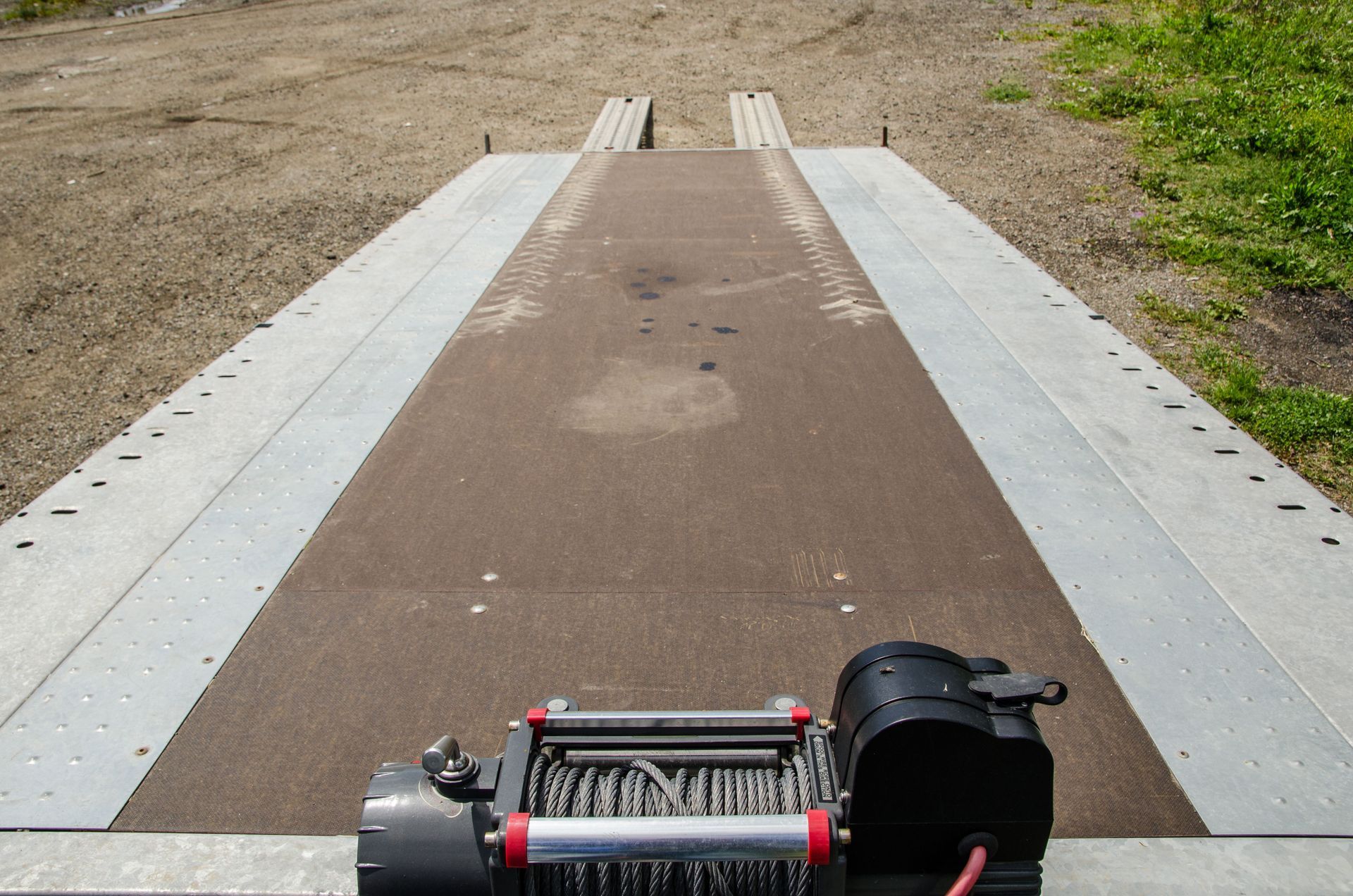
During heavy duty towing, operators may use specialized winches, lifting devices, air cushion systems, recovery booms, wheel lifts, and secure tie-down equipment depending on the situation. Selecting the proper tools helps reduce stress on the disabled vehicle while improving overall safety during loading and transport.
Technology has also enhanced recovery operations by improving communication, dispatch coordination, and route planning. These improvements allow operators to respond more efficiently while identifying the safest transportation routes for oversized vehicles. Careful preparation minimizes unnecessary delays and contributes to a smoother recovery experience.
Beyond the equipment itself, regular inspection and maintenance remain essential. Reliable recovery vehicles must remain ready for demanding situations at any time, making preventative maintenance an important part of delivering dependable service. Well-maintained equipment supports consistent performance when emergencies arise.
Valuing Experience During Complex Recovery Operations
Technical equipment alone cannot replace professional knowledge. Successful recovery operations require operators who understand vehicle dynamics, safety procedures, risk assessment, and effective communication throughout every stage of the process.
Experienced professionals providing heavy duty towing know how to adapt to changing conditions without compromising safety. Roadway obstacles, weather conditions, limited access areas, damaged vehicle components, and challenging terrain often require careful adjustments to the recovery plan. Years of practical experience allow trained operators to make informed decisions while minimizing additional risks.
Communication also plays an important role throughout the recovery. Clear coordination with vehicle owners, fleet managers, repair facilities, law enforcement personnel, and emergency responders helps ensure everyone understands the recovery plan and expected timeline. This organized approach reduces confusion while improving overall efficiency.
Professional training further supports safe operations by emphasizing proper equipment use, hazard recognition, and industry best practices. Continuous education helps recovery specialists remain prepared for evolving vehicle technologies and changing transportation needs.
Preparing for Unexpected Transportation Emergencies
Although no one expects a breakdown or accident, preparation can significantly reduce stress when unexpected situations occur. Fleet managers, business owners, and commercial drivers benefit from understanding whom to contact before an emergency arises rather than making hurried decisions during a difficult situation.
Working with an established provider of heavy duty towing offers peace of mind because experienced professionals are prepared to respond with appropriate equipment and trained personnel. Quick access to qualified assistance can help reduce delays while protecting valuable commercial assets from unnecessary damage.
Documentation also supports a smoother recovery process. Keeping important vehicle information readily available allows operators to better understand equipment specifications and identify the safest transportation methods. Clear communication regarding cargo, mechanical issues, or accident details further assists recovery teams in developing an effective response strategy.
Businesses that depend on commercial transportation often include recovery planning within their broader operational continuity strategies. Preparing for unexpected incidents supports greater resilience while helping organizations respond efficiently whenever transportation challenges arise.
Choosing a Provider Committed to Safety and Reliability
Selecting a towing provider involves more than finding available equipment. Reliability, professionalism, communication, and a strong commitment to safety all contribute to a positive recovery experience. Companies with experienced personnel and well-maintained equipment are better prepared to manage complex situations confidently.
Providers offering heavy duty towing should emphasize careful planning, proper vehicle handling, and adherence to established safety standards throughout every recovery operation. This commitment protects drivers, passengers, surrounding traffic, valuable equipment, and transported cargo alike.
Dependability also extends beyond the recovery itself. Professional service includes responsive communication, accurate assessments, respectful customer interactions, and a focus on minimizing operational disruptions whenever possible. These qualities help build confidence during stressful situations where timely assistance is essential.
Long-term relationships with trusted service providers can benefit businesses operating commercial fleets by providing consistent support whenever transportation challenges occur. Knowing experienced professionals are available allows organizations to focus on maintaining daily operations while recovery specialists handle complex vehicle situations.
Large vehicle recoveries require specialized knowledge, advanced equipment, careful planning, and an unwavering commitment to safety. From roadside breakdowns to complex recovery operations, professional towing services help protect valuable vehicles while minimizing disruption and reducing unnecessary risks. Understanding what these services involve allows drivers, fleet managers, and business owners to make informed decisions when unexpected situations arise.
When you need dependable heavy duty towing, choosing experienced professionals helps ensure every recovery is handled with the attention, expertise, and care it deserves. Contact All Over Towing Inc to learn how we can provide reliable support whenever challenging recovery situations demand professional assistance.