May 19, 2026
When a vehicle suddenly loses power or a mechanical failure strikes while you are in motion, the immediate sensation is often one of intense frustration mixed with a touch of anxiety. Navigating a breakdown requires quick thinking and a prioritized focus on safety, regardless of whether you are driving a compact sedan or a massive commercial truck.
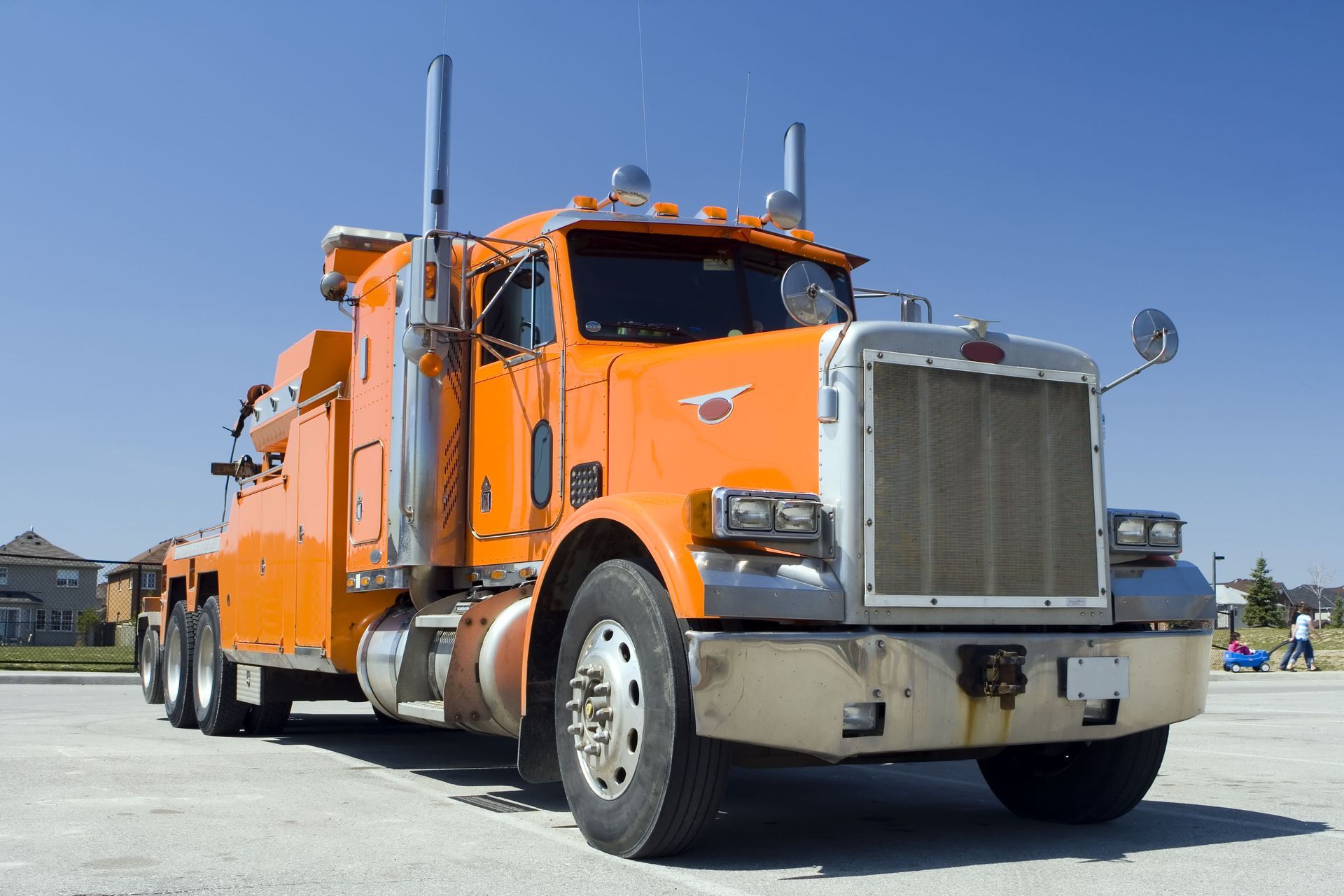
The complexity of a breakdown increases significantly when the vehicle in question is a large-scale piece of machinery. Moving a stalled semi-truck or a heavy delivery van requires specialized equipment that goes far beyond the capabilities of a standard tow truck. In these instances, calling for heavy-duty towing services is the only viable way to ensure the scene is cleared safely and that the vehicle is transported without sustaining further structural damage. Understanding the proper sequence of actions to take can be the difference between a minor inconvenience and a dangerous highway incident.
Pulling Safely off the Road
The very first action to take at the first sign of engine sputtering or steering difficulty is to find a safe place to stop. Whenever possible, attempt to guide the vehicle to the right shoulder of the road, as this provides the greatest distance from high-speed traffic lanes. If you are on an interstate, try to reach the nearest exit or a designated rest area where you can park on a flat, paved surface. Avoid stopping on a bridge or in a blind curve, as these locations make it incredibly difficult for other drivers to see your vehicle in time to react.
Once the vehicle has come to a complete stop, engage the emergency brake immediately. This is especially vital for larger vehicles to prevent rolling on uneven surfaces. If your car or truck is incapacitated in a lane of travel and cannot be moved, stay inside with your seatbelt fastened until emergency responders arrive. For those operating industrial equipment or large rigs, the need for heavy-duty towing services becomes urgent at this stage to prevent a major traffic blockage that could lead to secondary collisions.
Signaling Your Presence Clearly
Visibility is your greatest ally during a roadside emergency. As soon as you realize your vehicle is malfunctioning, activate your hazard lights to warn everyone around you of the potential hazard. If the breakdown occurs after sunset or during inclement weather like heavy rain or fog, turn on your interior dome light to make the vehicle more visible to passing motorists. These small actions help create a perimeter of awareness around your stalled car, reducing the likelihood of a rear-end strike.
- Place reflective triangles or flares at intervals behind the vehicle.
- Raise the hood of the vehicle to signal that you are experiencing a mechanical failure.
- Tie a white cloth to the antenna or hang it from the driver-side window.
- Keep your lights on even if the sun is out to combat glare.
There are 39,745 businesses in the Automobile Towing industry in the U.S., according to IBIS World. This vast network of professionals is designed to respond to every type of roadside crisis, from flat tires to complete engine seizures. With so many operators available, help is rarely far away, but they can only find you quickly if you have taken the necessary steps to make your location obvious and safe to approach.
Calling for Professional Assistance
Once you and your passengers are in a secure position, the next step is to contact a professional recovery service. When you place the call, be prepared to provide your exact location, including the nearest mile marker or cross street, and a clear description of the vehicle. If you are driving a large recreational vehicle or a commercial bus, you must specify that you require heavy-duty towing services specifically. Standard tow rigs are not equipped with the reinforced frames or the massive winches necessary to lift and pull such significant weight.
While waiting for the tow operator to arrive, it is generally safest to remain inside the vehicle with the doors locked. Walking along the side of a busy highway is extremely dangerous and should only be done if the interior of the vehicle is no longer safe due to smoke or the threat of a fire.
Assessing the Necessary Equipment
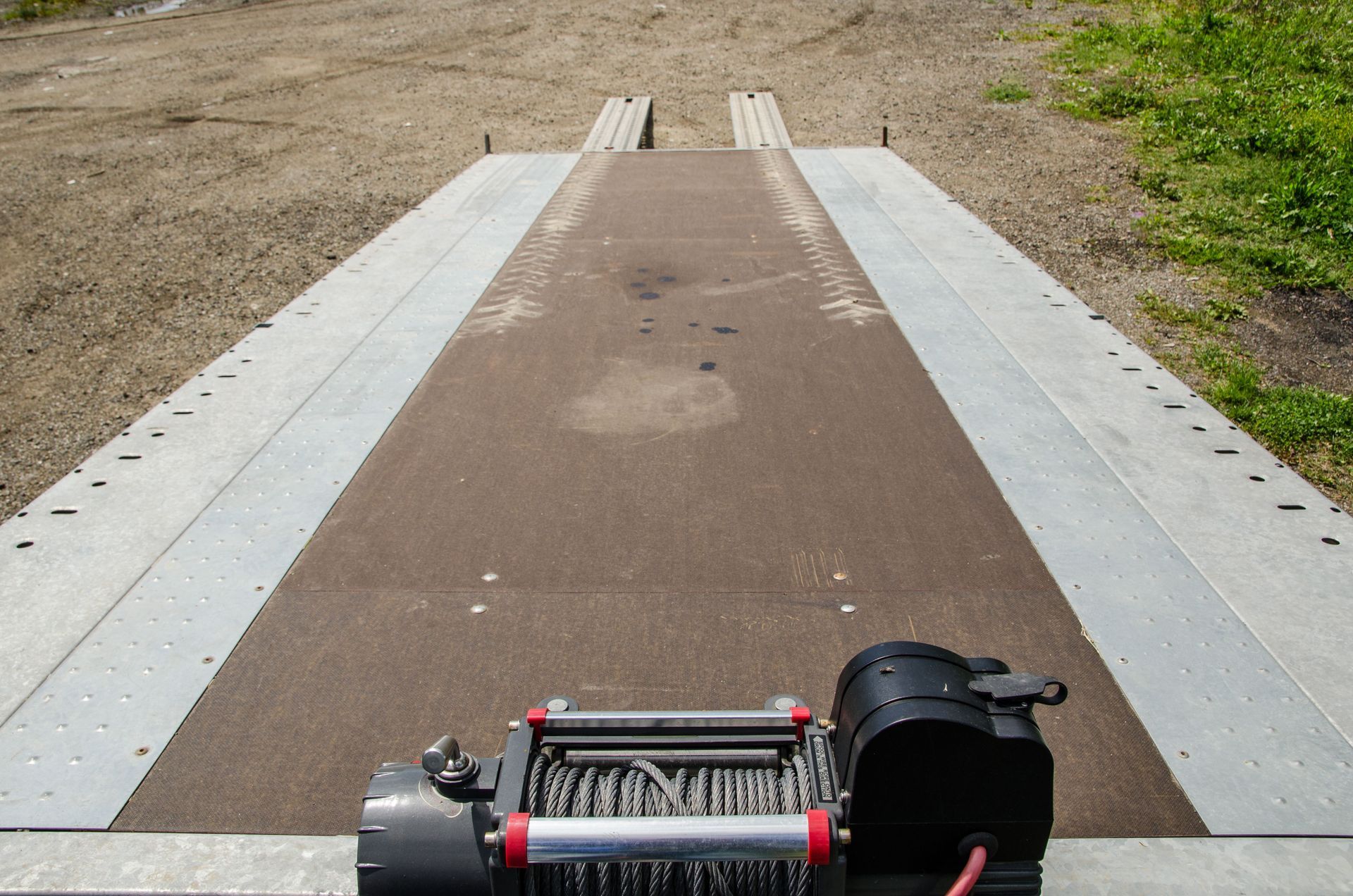
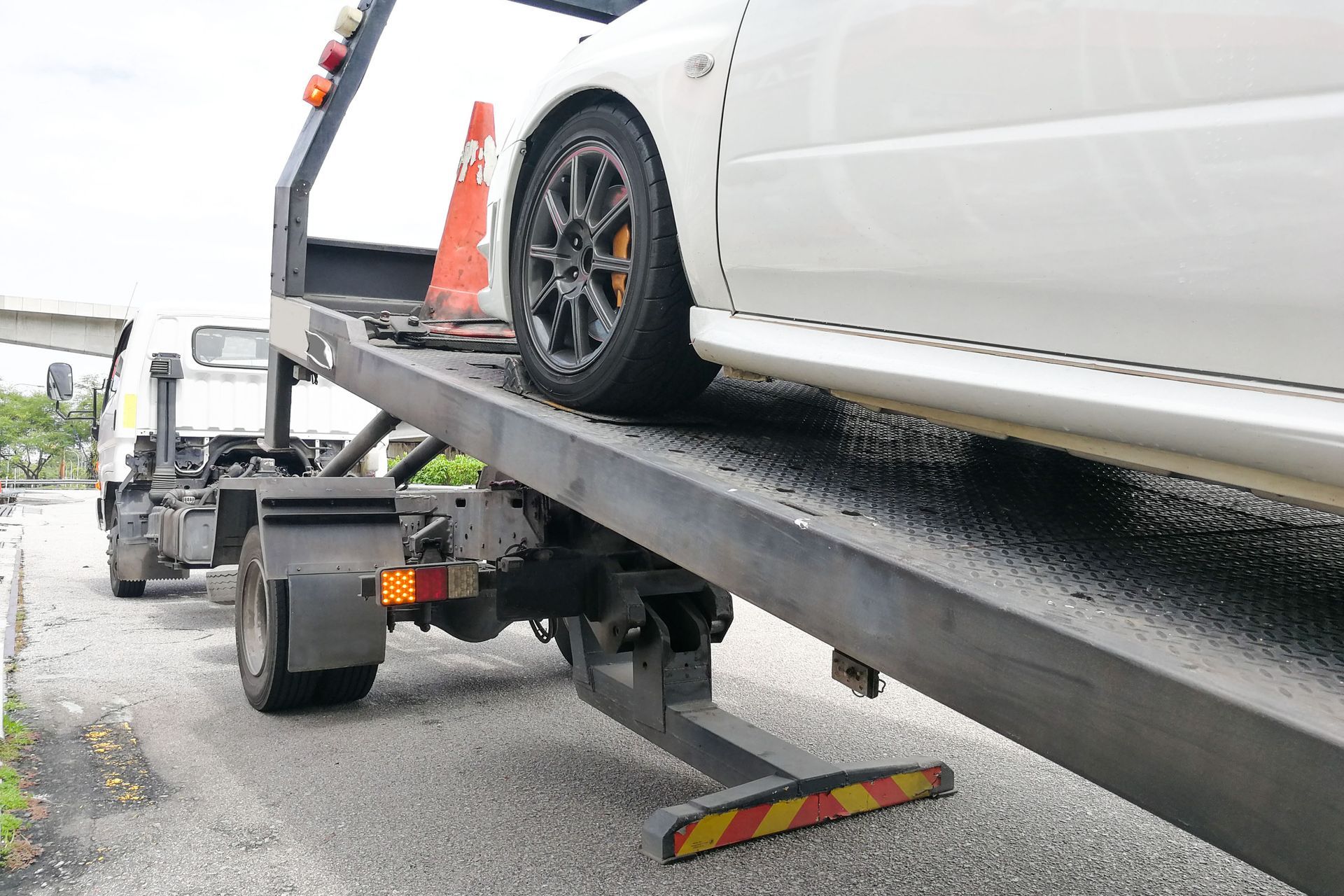
When the recovery team arrives, they will evaluate the situation to determine the best method for removal. For standard automobiles, a flatbed or a wheel-lift system is typically sufficient. However, for specialized transport needs, the technician will utilize the advanced tools found in heavy-duty towing services to manage the load. These larger tow units feature sophisticated recovery mechanisms and multi-directional booms that can extract heavy machinery from ditches or upright a rolled-over trailer without causing further harm to the cargo.
- Underlift equipment for towing buses and motorhomes without damaging the bodywork.
- Rotators with large lifting capacities for complex recovery missions.
- Air cushion recovery systems for uprighting heavy loads gently.
- Specialized rigging to secure oversized industrial equipment.
The expertise required to operate these massive machines is extensive. Operators must understand the weight distribution of the disabled vehicle and how to balance it perfectly against the tow rig.
Preparing for Future Emergencies
While no one plans to break down, being prepared for the possibility can significantly reduce the stress of the experience. Maintaining an emergency kit in the trunk or storage compartment is a fundamental habit for every driver. This kit should include items like a flashlight with extra batteries, a first aid kit, jumper cables, and a basic tool set. For those who frequently drive long distances or operate large vehicles, having the contact information for reliable heavy-duty towing services pre-saved in their phone can save precious minutes during a crisis.
Regular vehicle maintenance is the most effective way to prevent a breakdown from occurring in the first place. Checking fluid levels, inspecting tire pressure, and ensuring the battery is holding a strong charge are simple tasks that can prevent a catastrophic engine failure on the road.
Coordinating the Final Recovery
The final phase of the breakdown process involves the safe delivery of the vehicle to a trusted mechanic or a secure storage lot. During the loading process, the operator will double-check all connections and safety chains to ensure the load is stable for highway speeds. If you are utilizing heavy duty towing services, the process may take slightly longer due to the additional safety checks required for high-tonnage transport.
Once the vehicle is at the shop, the recovery professional will provide you with the necessary paperwork for insurance purposes. This documentation is essential for tracking the costs associated with the emergency and proving the chain of custody for the vehicle. Throughout the entire ordeal, the presence of a professional towing expert provides a sense of relief, knowing that the heavy lifting is being handled by someone with the right tools and training for the job.
Whether you are dealing with a simple battery issue or a complex transmission failure in a large rig, the goal is always the same: getting the vehicle off the road and toward a permanent fix. By knowing who to call for the most challenging recoveries, you can navigate even the most difficult roadside situations with confidence.
For those in need of reliable assistance and expert heavy-duty towing services, our team at All Over Towing Inc is ready to respond.